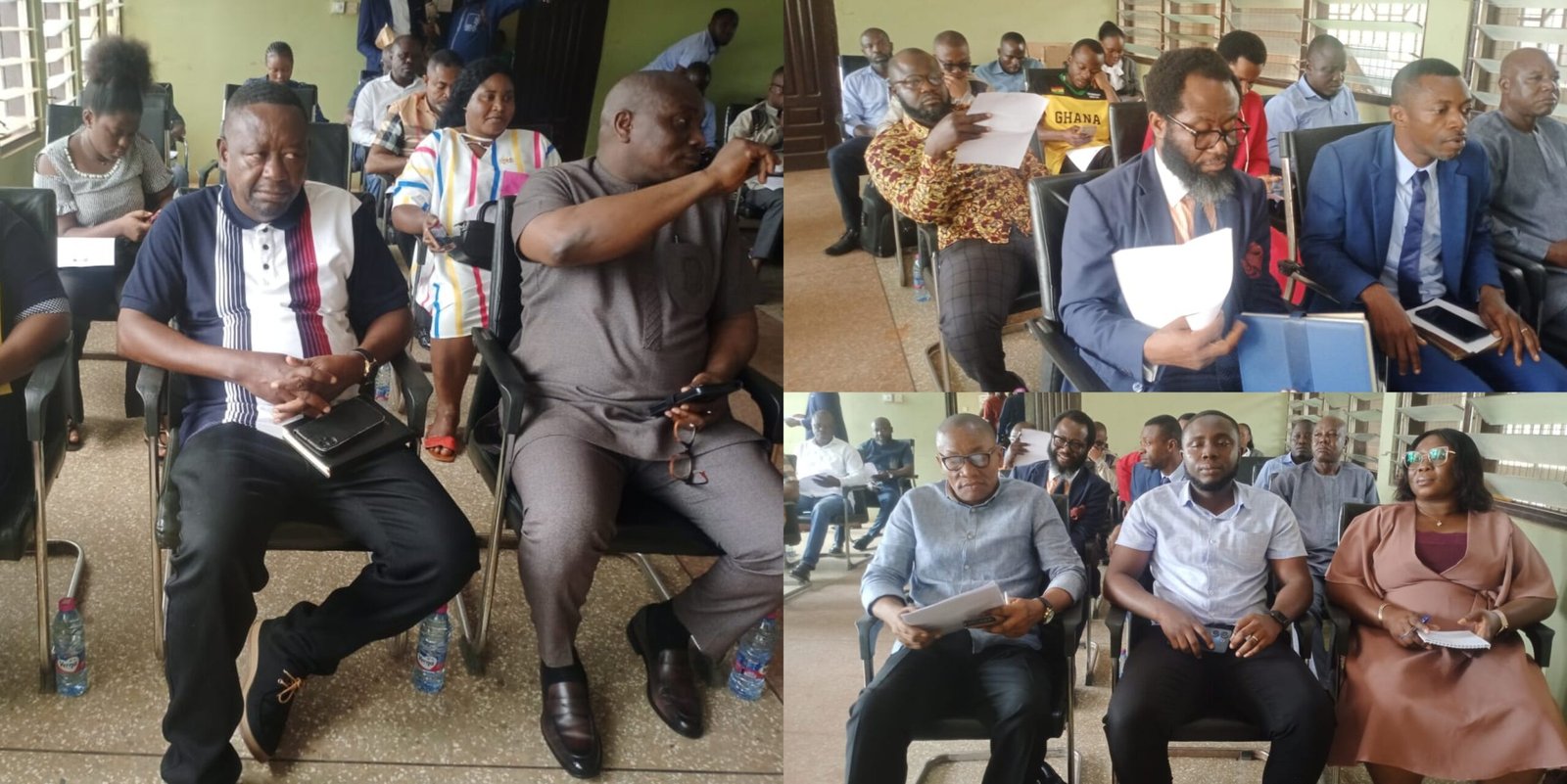
The Mayor of the Techiman Metropolitan Assembly, Hon. Agyei Mensah, has expressed concern about what he described as persistent verbal attacks and insults by some journalists and bloggers, urging media practitioners to use their platforms responsibly and wisely. He made the remarks during a one-day discussion on hate speech and other forms of indecent expression organised by the National Peace Council at the Bronkyempem Hall of Techiman in the Bono East Region.
According to the mayor, criticism is an important part of democratic governance, but it should be constructive and fair. He said public officials must be prepared to account for their actions and accept legitimate criticism; however, journalists and bloggers should not use their platforms to insult, demean or spread false claims about individuals.
Hon. Agyei Mensah alleged that one particular journalist frequently insults him with impunity. He stressed that while challenges within the municipality should be reported, the media should also acknowledge positive developments and achievements.
The mayor said some media practitioners require professional and psychological support to help address behaviour that promotes hostility, personal attacks, and abusive language. He appealed to journalists, bloggers and social media commentators to protect public peace by verifying information before publication and avoiding inflammatory remarks.
The Bono East Director of the Commission on Human Rights and Administrative Justice, Lawyer Nana Kwaku Kumi, charged the media with upholding ethical standards and avoiding bias, misinformation, and personal attacks. He noted that the media plays a frontline role in informing the public and shaping national debate, making responsible reporting essential.
Lawyer Kumi explained that hate speech can include language that degrades, threatens, or harasses a person or group, harming their dignity, reputation, and social standing. He added that hateful expression may target people because of their ethnicity, religion, political affiliation, or other identity.
He further reminded participants that freedom of speech is a constitutional right, but it is not unlimited. People can be held accountable when their speech violates others’ rights, damages reputations through false allegations, incites violence, or threatens public order. The discussion therefore encouraged citizens and media practitioners to express opinions firmly but respectfully.