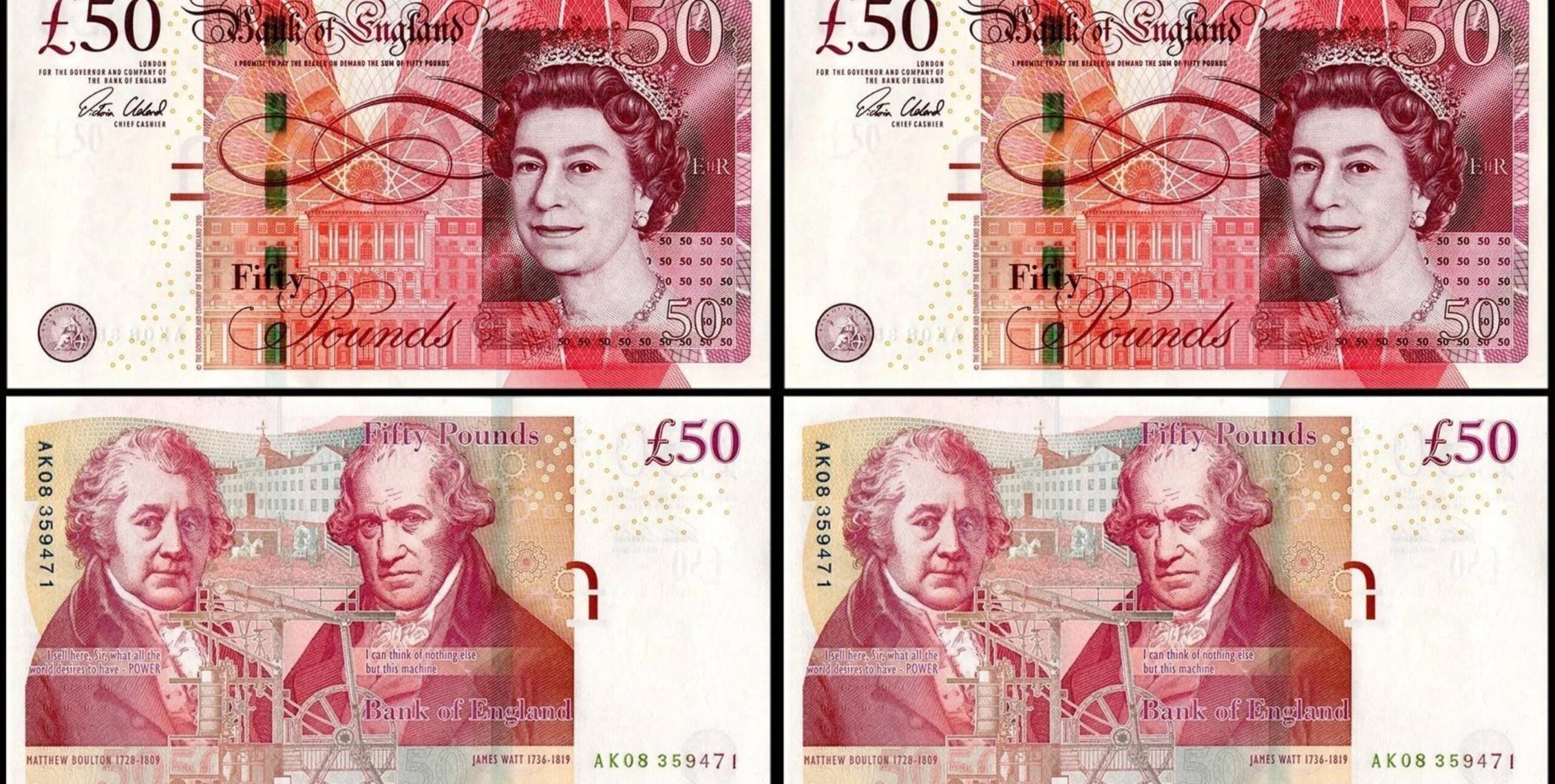
The British pound sterling (GBP) is not the world’s most valued currency today—that title goes to the Kuwaiti dinar (KWD), followed by others like the Bahraini dinar and Omani rial, based on exchange rates against the USD (e.g., 1 KWD ≈ $3.26 USD as of late 2025). “Most valued” typically means highest exchange rate per unit, not overall economic dominance or reserve status (where the USD leads). However, the pound holds strong as the 4th most traded fiat currency globally and ranks high in stability and value (1 GBP ≈ $1.27 USD currently). Here’s why it endures as one of the elite currencies, with six key reasons grounded in economics and history:
Historical Legacy as a Reserve Currency: The pound was the world’s primary reserve currency under the gold standard until 1944’s Bretton Woods. This built enduring trust; even today, it’s held by central banks (4-5% of global reserves per IMF data).
Robust UK Economy: The UK’s $3.5 trillion GDP (5th largest globally) underpins the pound. Sectors like finance (London as a top hub), services (80% of GDP), and tech drive stability, shielding it from commodity volatility unlike oil-tied dinars.
Political and Institutional Stability: The independent Bank of England sets credible monetary policy (e.g., inflation targeting since 1992). Rule of law, low corruption (ranks 20th on Transparency International), and post-Brexit adaptability maintain investor confidence.
Global Trade and Financial Hub Status: The UK handles 10% of world trade; London clears 40% of forex trades (BIS data). High demand from international contracts keeps the pound liquid and strong.
Safe-Haven Appeal: During crises (e.g., 2008 financial crash, COVID), GBP appreciates due to the UK’s diversified economy and deep capital markets, outperforming riskier emerging currencies.
Avoidance of Hyperinflation Risks: Unlike hyperinflated currencies (e.g., Zimbabwean dollar), the pound’s managed float and fiscal discipline (debt-to-GDP ~100%, but sustainable) preserve purchasing power.
Can the Pound Stay Number One Forever?
No, it can’t remain “number one” indefinitely—currencies rise and fall with geopolitics, tech shifts (e.g., digital yuan or crypto challenges), and economic cycles. The pound slipped from dominance post-WWII; future threats include EU integration, US dollar hegemony, or global dedollarization. It could stay elite but not unchallenged forever.