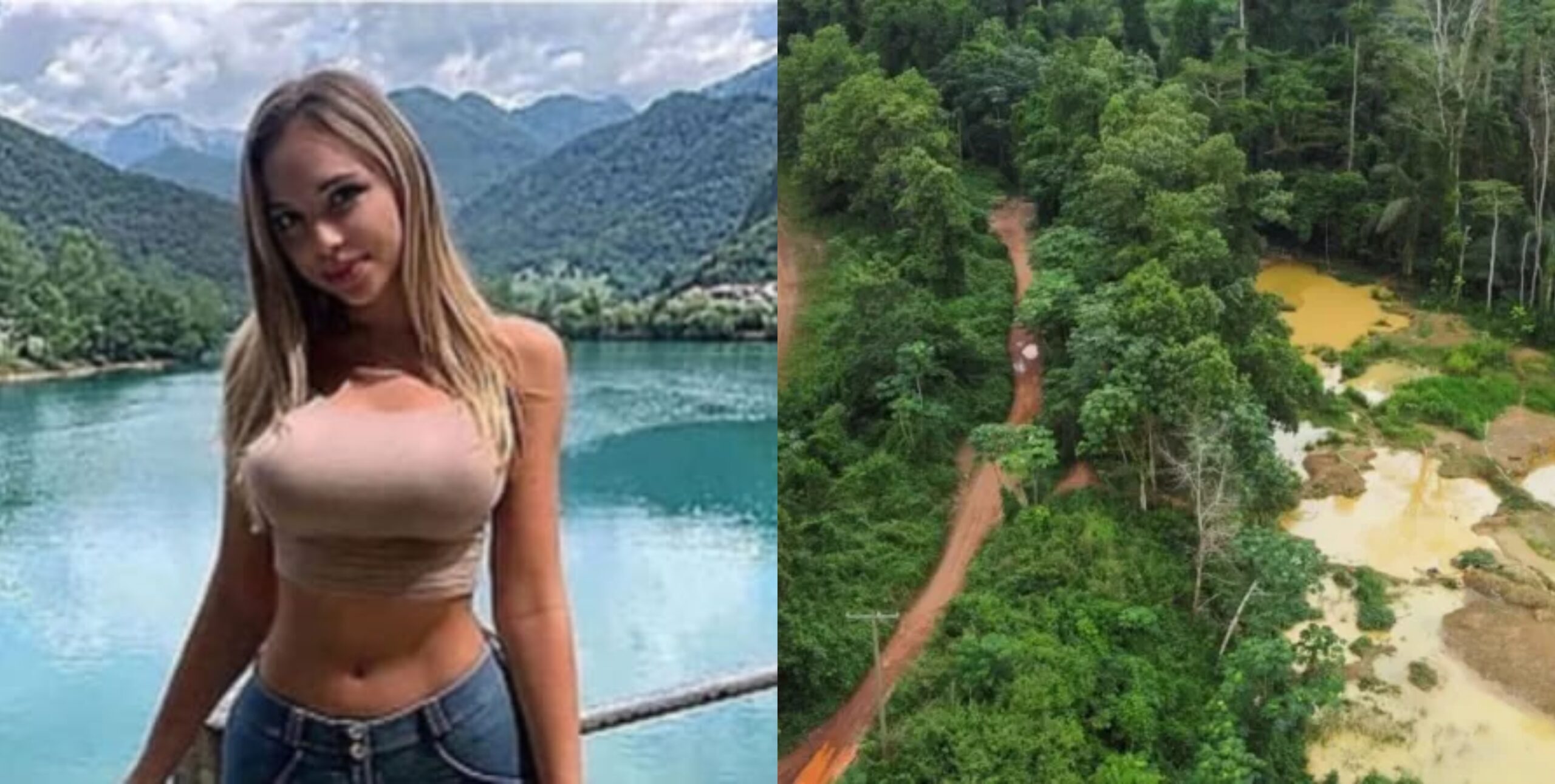
Don’t pollute the rest of our river. If you can add more, don’t destroy what you came to meet,” pleads a poignant voice from Ghana’s waterways. This urgent call underscores a vital truth: rivers and water bodies are lifelines we must safeguard. As communities across the Ashanti Region grapple with pollution threats, experts warn that neglecting these resources spells disaster for health, food security, and the economy.
Rivers like the Pra and Ankobra supply drinking water to millions, irrigate farmlands, and sustain fisheries. Clean water is essential for human survival—it’s the backbone of hydration, sanitation, and agriculture. When pollutants from illegal mining (galamsey), plastic waste, and industrial runoff infiltrate these sources, they trigger a cascading series of crises. Contaminated water breeds diseases like cholera and dysentery, hitting vulnerable populations hardest. In Ghana alone, waterborne illnesses claim thousands of lives yearly, straining our healthcare system.
In Ghana, rivers like Pra and Densu suffer severe heavy metal contamination from illegal mining (galamsey) using mercury, plus untreated sewage and agricultural runoff, often lacking regulation. In advanced nations (UK, US), pollution stems from sewage overflows, farming nutrients, and regulated industry; cleanup succeeds, reviving Thames and Rhine via tech and policies. Ghana faces uncontrolled, toxic threats to health; the advanced world manages diffuse sources effectively.
Beyond its impact on health, pollution devastates ecosystems and disrupts food chains. Toxic chemicals kill fish, crabs, turtles, and aquatic plants, slashing fish stocks that feed communities and export markets. “Water is life,” as the message notes—destroying it means destroying food. Over 70% of Ghana’s protein comes from freshwater fish; a polluted river starves families and fishermen. Biodiversity vanishes too: birds, mammals, and plants dependent on wetlands suffer, eroding natural flood barriers and climate resilience.
Economically, the stakes are high. Tourism thrives on pristine rivers for boating and eco-adventures, while hydropower from the Volta supports industries. Polluted waters cost billions in cleanup, lost productivity, and health bills. The UN estimates global water pollution drains $10 trillion annually; Ghana can’t afford that hit.
Protecting rivers demands action: enforce anti-galamsey laws, promote community cleanups, adopt biodegradable waste, and invest in treatment plants. Reforest catchments to filter runoff naturally. As the river implores, “Keep me clean for drinking, I will provide fish, crabs, turtles, and more.” Heed this: sustain our waters, secure our future. Governments, businesses, and citizens must unite now in this fight.
By Johnson Takyi- Nkyeremu News Director